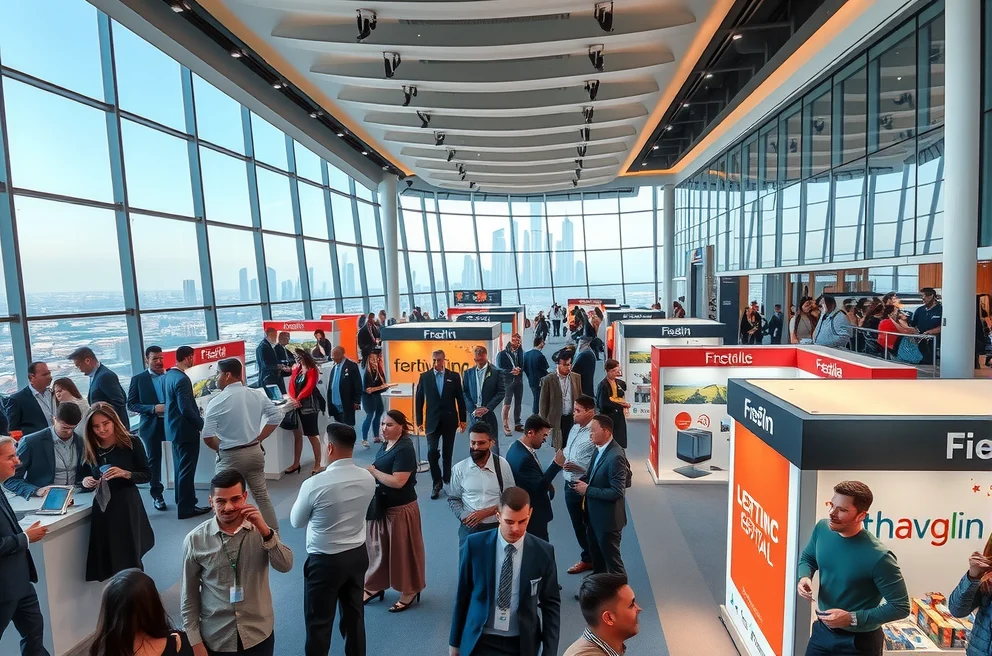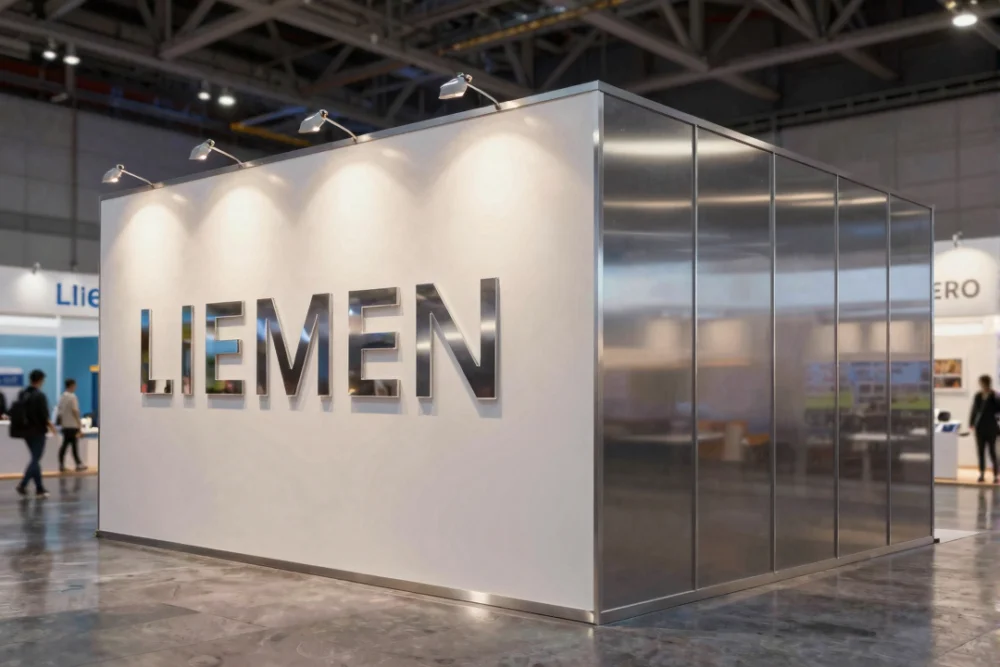

Designers and installers align bilingual layouts and mounting plans while checking approval notes
Pick the Right Signage Fast
Acrylic signage dubai teams choose can make or break visibility at exhibitions and retail launches. This guide gives you a practical checklist to compare acrylic and metal finishes, plan installation, meet Dubai approvals, and brief a vendor with clear specs. You will decide faster, reduce rework, and keep your exhibition signage dubai compliant and readable. Use it when you are planning event signage dubai or coordinating sign board printing dubai with multiple stakeholders.
Every section follows a simple decision pattern: what it is, why it matters, how to apply it, and what to avoid. That makes it easier to build a plan you can hand to a vendor, a designer, or your internal team without losing time.
Key Takeaways
- Choose acrylic for indoor clarity and modern impact, and use metal for outdoor durability or combine both for a balanced build.
- Confirm approvals early and design bilingual Arabic and English layouts from the first draft.
- Match installation methods to weight, thickness, and viewing distance to avoid sagging or safety issues.
- Follow event and venue rules for fire standards, materials, and documentation before printing.
- Use a structured vendor brief so your signage partner can quote and build without gaps.
Define the Signage You Need
What it is: Acrylic signage is a clear, glossy material used for brand panels, logo letters, and decorative facades. It can be made for illuminated or non-illuminated applications. Why it matters: Acrylic catches attention and supports a premium, clean look that works well in exhibition and retail environments. How to do it: Decide if you need illumination, decide how close people will view the sign, and decide whether the sign is temporary or long-term. What to avoid: Do not choose acrylic without confirming where it will be installed and how it will be lit.
Acrylic works well because it delivers high transparency and a polished edge. That makes it ideal for branded lettering, visual panels, and feature points that need to stand out from a distance. In practice, acrylic signage often appears at the entry of a booth, behind a reception counter, or on a product launch wall where visitors take photos.
Acrylic is also flexible in design. You can cut it into custom shapes, layer it for depth, or build it into a backlit element. This is a key advantage for teams that want a clean brand presence without overbuilding the booth structure.
Use acrylic for areas where visibility, shine, and brand clarity matter most. If your goal is premium impact at close range, acrylic is a strong fit.
- Use acrylic for high-clarity branding and polished edges that look premium.
- Use illuminated acrylic when you need attention in darker venues or evening activations.
- Keep non-illuminated acrylic for bright indoor spaces with controlled lighting.
Common mistake: Teams select acrylic just because it looks modern. Avoid this by confirming the exact placement, lighting, and viewer distance before you finalize the material.
Choose Acrylic or Metal with Clear Tradeoffs
What it is: Acrylic and metal signage each serve different environments. Why it matters: The right material protects your brand from fading, damage, and a weak first impression. How to do it: Match your material choice to the environment, then decide if a hybrid build is the best balance. What to avoid: Do not use acrylic for harsh outdoor exposure when long-term durability is a top priority.
Acrylic is lightweight, clean, and easy to customize. It is ideal for indoor signage where the sign must look modern and high quality. Metal is the go-to choice for outdoor signage because it resists weather, rust, and corrosion. It also signals strength and permanence, which suits facades and building names.
Many brands combine both materials to get the best of each. A metal base gives stability and outdoor resilience, while acrylic lettering adds a polished, contemporary finish. This approach works well when your brand wants durability without losing visual impact.
| Criteria | Acrylic Signage | Metal Signage |
|---|---|---|
| Best use | Indoor branding, lobbies, retail interiors | Outdoor facades, storefronts, building names |
| Visual impact | Glossy, modern, glass-like clarity | Sleek metallic finish, strong presence |
| Durability | Resists fading under artificial light, can scratch or yellow under prolonged UV | Resistant to weather, rust, and corrosion |
| Customization | Easy to cut into shapes and layer for depth | Available in brushed, polished, or painted finishes |
| Recommended approach | Use acrylic for indoor impact and detailed lettering | Use metal for outdoor durability |
Decision Checkpoints
Use these checkpoints to decide fast:
- Indoor or outdoor placement
- Direct sunlight exposure or shaded environment
- Need for backlighting or illumination
- Expected lifespan and reuse plan
- Brand position: premium, modern, or industrial
Common mistake: Teams choose based only on looks. Avoid this by mapping the environment first and then matching the material to your exposure and lifespan needs.
Plan Installation for Safety and Clean Lines
What it is: Installation covers the mounting method, weight distribution, and physical setup. Why it matters: Poor installation creates sagging, uneven alignment, or safety risks that can block approvals or damage your sign. How to do it: Use secure mounting, confirm thickness, and plan weight distribution from the start. What to avoid: Do not treat installation as an afterthought, even for short-term events.
Hanging acrylic signs need solid support. Brackets and screws provide secure anchoring. Adhesive strips can add stability, but they should support, not replace, mechanical mounting. Weight distribution matters because acrylic can sag if the load is uneven.
Thickness and edge finishing also matter. Acrylic panels often require polished edges and a minimum thickness for stability. If the panel looks sharp but the edges are rough or the thickness is too thin, the sign can look low quality and fragile. Confirm thickness and edges before final production.
Professional installation protects both the sign and the space. It also reduces the chance of damage during setup and removal, which is critical for reuse.
- Mount hanging acrylic signs with brackets and screws.
- Add adhesive strips only for extra stability.
- Balance weight to prevent sagging and uneven alignment.
- Confirm minimum thickness and polished edges when required.
Common mistake: Teams pick hardware after printing. Avoid this by confirming all mounting details before fabrication begins.
Meet Dubai Approval and Content Rules Early
What it is: Outdoor signage in Dubai requires formal approvals and specific design documentation. Why it matters: Missing approvals can stop installation or lead to removal. How to do it: Build compliance into your planning, include bilingual text, and prepare a complete design submission. What to avoid: Do not assume approvals are optional.
Approvals usually require full design proposals that include layout dimensions, materials, lighting plans, and installation methods. Authorities also check alignment with the building facade, structural safety, and visibility rules, especially for road-facing signs.
Critical warning: Outdoor installations require formal approvals before you install.
- Prepare layout dimensions, elevation drawings, and material lists.
- Show lighting plans and installation methods clearly.
- Use Arabic and English text, with Arabic equal in size or more prominent.
- Prevent road-facing signs from distracting drivers or pedestrians.
- Follow extra safety evaluations for rooftop signs.
- Remove temporary event signage by the permitted expiry.
- Obtain approval for outdoor digital signage.
Also review content rules carefully. Signs cannot include religiously offensive, politically charged, misleading, or culturally inappropriate content. Make sure your messaging aligns with local expectations and public safety.
Approval Map for Different Locations
Different zones and jurisdictions can require different approvals. For example, some free zone areas require a No Objection Certificate for signage. Confirm which authority applies to your site early so you do not delay production or installation.
Common mistake: Teams submit designs without bilingual layouts or complete drawings. Avoid this by building a compliance checklist into your design brief.
Align with Exhibition and Venue Requirements
What it is: Exhibition organizers publish specific rules for signage sizes, lighting, and materials. Why it matters: Signs that fail venue rules can be rejected, which removes your visibility at the event. How to do it: Read the specs early, follow fire standards, and prepare the required documents. What to avoid: Do not assume your vendor already knows the venue’s requirements.
Venues often expect documentation for materials and safety. Fire standards such as China B1, ASTM E84, and DIN 4102 may apply, depending on the venue and organizer. You may also need test reports, material lists, drawings, and electrical specifications. Prepare these early to avoid last-minute changes.
Signage visibility is also practical. Your sign should capture attention at a distance, using clear type and strong contrast. Keep fonts limited, and make sure essential information like booth number and company URL is visible and readable.
- Confirm event signage instructions for sizes, lighting, and placement.
- Match required fire standards and collect supporting documentation.
- Prepare material lists, drawings, and electrical specifications early.
- Use two fonts or fewer for readability.
- Include booth number and URL in your main display.
Common mistake: Teams ignore event specs until late in production. Avoid this by making the venue rulebook the first step in your signage plan.
Balance Cost, Durability, and Reuse
What it is: Material choice changes how much you spend now and how much value you keep later. Why it matters: A sign that fails quickly or cannot be reused creates extra costs and delays. How to do it: Compare materials based on durability, labor needs, and how often you will reuse them. What to avoid: Do not choose a cheap material if it cannot survive transport or repeated installations.
Acrylic signage is often budget-friendly for indoor applications and offers a clean look. Metal signage costs more to produce but performs better outdoors. PVC boards can be useful for frequently changing artwork, while system profiles offer modular, reusable structures that can lower long-term costs.
Woodwork gives design freedom but often requires higher labor and has lower reuse. If you need a premium look on a budget, combine a reusable system structure with selective acrylic accents and a strong lighting plan.
- Use acrylic for indoor visuals and premium brand clarity.
- Use metal for outdoor durability and weather resistance.
- Use modular systems when you plan multiple exhibitions.
- Use PVC for short-term signage or frequently updated pricing.
Common mistake: Teams pick a finish without a reuse plan. Avoid this by labeling what will be stored, reused, or replaced after the event.
Use This Vendor Brief Checklist
What it is: A structured brief that turns marketing goals into build-ready signage specs. Why it matters: A complete brief reduces back-and-forth, avoids approval delays, and improves quality. How to do it: Fill every field with clear, decision-ready answers. What to avoid: Do not send only a logo and size guess.
Providers like Media Print UAE can support production when you submit a complete brief with clear specs.
| Field | What to specify |
|---|---|
| Project goal | Brand visibility, product launch, wayfinding, or lead capture |
| Location and exposure | Indoor or outdoor, lighting conditions, and viewer distance |
| Material choice | Acrylic, metal, or hybrid with rationale |
| Illumination | Illuminated or non-illuminated requirements |
| Size and thickness | Dimensions and any minimum thickness requirements |
| Mounting method | Brackets, screws, hanging systems, or adhesive support |
| Bilingual layout | Arabic and English copy with Arabic equal or more prominent |
| Compliance plan | Approvals needed, responsible party, and submission package |
| Venue specs | Event rules, fire standards, and document requirements |
| Timeline | Design sign-off, production, install, and removal |
| Reuse plan | Storage, future events, and expected lifespan |
Common mistake: Teams leave the approval owner undefined. Avoid this by assigning a single approver and a backup contact before the vendor starts production.
Avoid Common Signage Failures
What it is: These are common mistakes that reduce visibility and cause missed opportunities. Why it matters: Even small mistakes can waste a booth or delay a launch. How to do it: Use a short pre-flight check before printing and before installation. What to avoid: Do not assume your design is readable without a distance test.
- Understated designs fail to stand out. Fix by testing readability from a distance.
- Too many fonts reduce clarity. Fix by limiting to two fonts.
- Missing booth number or URL causes confusion. Fix by placing both on the primary sign.
- Low-quality materials fail early. Fix by confirming material grades with your supplier.
- Ignoring event specs causes rejection. Fix by checking the venue rulebook early.
- Unclear mounting leads to sagging. Fix by defining hardware and load support.
Common mistake: Teams skip a final on-site walkthrough. Avoid this by doing a quick test placement and viewing check before doors open.
Helpful Next Steps for Related Signage
If you also manage other event assets, use these guides to reduce confusion during production and installation:
- event branding Dubai checklist
- booth design UAE tips
- large format printing for events
- sign boards and large format printing
- retail signage strategies
If you are finding suppliers near me in Dubai, use the vendor brief above to compare responses quickly.
References
- Exhibition Stand Materials Guide ? ? 2024-11-21 ? How to Choose the Right Materials for Your Exhibition Stand
- Outdoor Signage Regulations in Dubai ? ? ? Outdoor Signage Regulations in Dubai 2025 | Permit & Compliance Guide
- Signage Application Approval (Technical) ? Jebel Ali Free Zone (Jafza) ? 2024-04-03 ? Signage Application Approval (Technical) | Jebel Ali Free Zone (Jafza)
- Exhibition Material Guide ? ? ? Knowledge Academy – StarRise Expo
- Acrylic vs Aluminum Signage ? Color Print ? 2024-11-27 ? 3D Signboards for Impactful Business Branding – Color Print
- Acrylic Sign Installation Tips ? Custom Acrylic Product ? ? Hanging Acrylic Signs: Tips for Secure and Stylish Installations
- Trade Show Signage Mistakes ? ? ? Avoid These 5 Epic Fails for Trade Show Signage
- 3D Letter Signage in Dubai ? M Print House ? 2026-02-28 ? Why 3D Letters Are the Hottest Signage Trend for Dubai Businesses in 2026

Installers secure a polished acrylic panel with brackets and spacers to keep the display level and durable
Frequently Asked Questions
Is acrylic signage better than metal signage for Dubai exhibitions?
Acrylic works best indoors where you want a clean, modern look and high clarity. It can scratch or yellow under long UV exposure. Metal signage in Dubai handles outdoor weather much better and resists rust and corrosion. Many teams combine a metal base with acrylic lettering to balance durability and visual impact in exhibition signage dubai.
What approvals are needed for outdoor signage in Dubai?
Outdoor signage requires official approval before installation. Design submissions should include dimensions, materials, lighting plans, and installation methods. Signs must be bilingual in Arabic and English, with Arabic equal in size or more prominent. Road-facing signs must not distract drivers, and rooftop signs need extra safety checks. Outdoor digital signage also needs approval.
How do I install hanging acrylic signs without sagging?
Use brackets and screws for secure mounting and add adhesive strips only for extra stability. Balance the weight so the sign does not sag. Choose acrylic thickness based on visibility and durability needs, and keep edges polished when required. Professional installation helps prevent safety issues and protects the sign’s finish.
What fire standards and documents do exhibition venues require?
Venues may require fire standards such as China B1, ASTM E84, or DIN 4102, depending on the event. Document packages often include material lists, test reports, drawings, and electrical specifications. Fire safety reports should be prepared well in advance, especially for international exhibitions. Always confirm requirements with the event organizer.
How do I make event signage easy to read from a distance?
Keep the message short and visible from about 20 feet within three seconds. Use no more than two fonts and prefer clean, readable type. Include your booth number and company URL so visitors can find you quickly. These basics improve event signage dubai visibility without adding clutter.