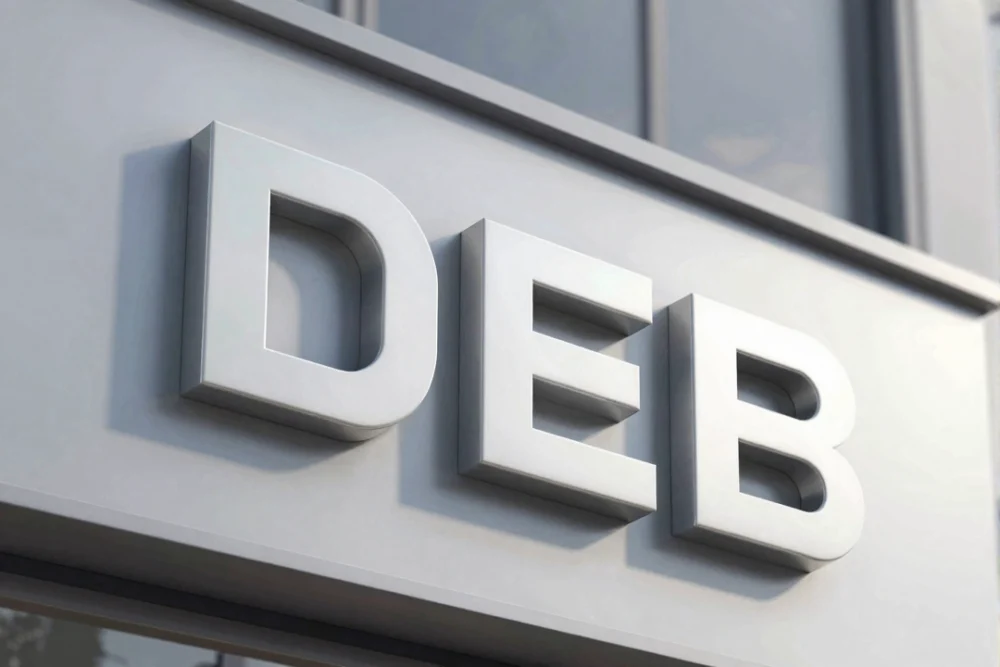
Material Options for 3D Signage: What to Consider
3D signage material choice is fundamental in achieving both durability and visual appeal. The right material not only impacts the sign’s lifespan but also how well it resonates with your target audience. Some of the most common materials include acrylic, metal, wood, and foam. Each material has unique properties, offering advantages and disadvantages suited to different applications.
Key Takeaways
- Choose acrylic for a polished look; it’s lightweight and non-yellowing but may scratch easily.
- Metal, especially aluminum, is durable and weather-resistant, ideal for outdoor usage in the UAE.
- Wood lends a classic aesthetic but requires more maintenance to protect against moisture and rot.
- Foam is lightweight and easy to handle but is best suited for indoor settings due to wear susceptibility.
- Evaluate environmental conditions to select the most durable material for your signage location.
Acrylic: The Polished Choice
Acrylic is a popular choice among businesses seeking a sleek and modern look. Its lightweight nature makes it easy to install and manipulate into various shapes. Furthermore, its non-yellowing property ensures that the signs maintain their clarity and brightness over time.
However, while the polished finish provides an attractive visual, acrylic can be more susceptible to scratching than other materials. Regular cleaning with non-abrasive solutions is advised to maintain its appearance. For best practices, avoid cleaners that contain ammonia.
Consider using acrylic signage in event-specific installations where a clean and sharp appearance is vital.
Metal: Durability for Outdoor Use
Metal options, particularly aluminum, are exceptional choices for outdoor signage. They are not only extremely durable and weather-resistant but also capable of withstanding the intense heat and humidity of the UAE. This makes metal signage ideal for businesses that require robust solutions that last for years.
Metal signs can be treated with powder coating or other protective finishes to minimize rust—especially in coastal areas where saltwater corrosion is a concern. Always confirm the treatment options available with your supplier to ensure longevity and aesthetics.
When installed correctly, metal signage can also enhance visibility and lend a professional touch to a business. Consider integrating them into promotional materials for events by pairing them with custom exhibition signage.
Wood: Classic Appeal
Wood offers a timeless and classic look, making it ideal for boutiques or cafés that wish to convey a rustic aesthetic. Wood can also be engineered into various designs, adding a unique touch to your signage. However, it requires more maintenance than synthetic materials to prevent rot and damage from moisture.
Keep in mind that untreated wood can warp or deteriorate when exposed to harsh weather conditions. For longevity, consider finished wood treatments that provide water resistance and UV protection, ensuring the signage remains intact despite environmental challenges.
Foam: Lightweight and Versatile
If you’re seeking something lightweight, foam is your best option, but it’s mainly suitable for indoor use due to its susceptibility to wear and tear. Foam signs are easy to transport, making them ideal for temporary setups and events where flexibility and ease of installation are crucial.
These signs can often be customized with vibrant graphics and colors, enhancing their visual appeal. For specific examples, think of how foam can be used in trade shows or events where quick installation and removal are necessary, as highlighted in Event Branding Dubai.
Environmental Considerations: Assess Conditions
When selecting materials, consider the environmental conditions your signage will face. For example, coastal areas exposed to saltwater may corrode metal faster; therefore, it’s advised to explore treated options. Acrylic may also yellow faster under intense UV exposure, so ensure that any treatments used on acrylic are UV resistant.
Checking performance characteristics with your supplier is wise, ensuring the selected materials are capable of enduring the expected environmental challenges while maintaining their aesthetic and functional qualities.
Ultimately, choosing the right materials for your 3D signage will not only enhance your brand’s visibility but also save costs related to maintenance and replacements over time.

A close-up view showing the polished finish of acrylic and the brushed texture of metal used in 3D signage
3D Signage Design Considerations: Crafting the Perfect Look
Design is crucial in making your 3D signage effective. The first step involves understanding your brand identity. Your signage should reflect your brand values and resonate with your target audience. Colors play a significant role; for example, red can create a sense of urgency while blue invokes trust.
Key Takeaways
- Your 3D signage should embody your brand identity for effective communication.
- Choose colors strategically to evoke the desired emotions from viewers.
- Select legible fonts and establish a clear visual hierarchy for better readability.
- Avoid clutter by focusing on one or two key messages per sign.
- Ensure compliance with local regulations, including the Arabic language requirement.
Another important aspect is font selection. The font should be legible from a distance. Many businesses opt for bold fonts to enhance readability. For instance, sans-serif fonts are often favored for their clarity. Designing with contrasting colors between the text and background also helps achieve a clear visual hierarchy, which guides the viewer’s eye to essential information.
Additionally, the layout should be simple yet effective. Cluttered signs can confuse potential customers. A rule of thumb is to focus on one or two key messages rather than trying to cram too much information into one sign. This not only makes the signage visually appealing but also easy to understand quickly. Do not overwhelm viewers; think of the purpose of the sign and prioritize essential messages.
Moreover, in Dubai, engaging professional designers familiar with local regulations is vital. Dubai mandates that Arabic must occupy at least 50% of any commercial advertisement. Planning for this aspect from the beginning can save time and resources during the approval process. If you are unsure, consult the Exhibition Signage Dubai: A Guide for Success for insights on regulatory compliance.
Finally, consider the materials used in your 3D signage as they can significantly impact the design. For example, illuminated 3D signage made from acrylic offers a polished look and enhances visibility at night, making it ideal for storefronts. Metal signs can provide a more robust and industrial feel, suitable for businesses wanting to convey strength and durability. Understanding the pros and cons of each material will help ensure that your design not only looks good but also lasts.
By integrating these design considerations, you will craft 3D signage that not only captures attention but also communicates your brand’s message effectively and complies with Dubai’s regulations. For more tailored guidance, providers like Media Print UAE offer services to help you optimize your signage strategy.
Installation of 3D Signage: Necessary Steps and Compliance
3D signage installation involves several crucial steps, starting with obtaining the necessary permits. Securing the proper permits is vital to comply with local regulations established by the Dubai Municipality and RTA. This process typically takes between 3 to 10 working days, depending on the specific requirements and complexities of your project. To streamline this step, it’s advisable to consult professionals who specialize in signage solutions. They can navigate the approval process on your behalf, ensuring that all required documentation is submitted accurately and promptly.
Key Takeaways
- Always obtain the necessary permits to avoid fines or removal orders.
- Consult with professionals who have expertise in local regulations.
- Position signage strategically for maximum visibility.
- Ensure installation complies with safety standards to mitigate liabilities.
- Regular inspections post-installation can help maintain compliance.
After securing the permits, a qualified signage company should handle the installation process. They have the expertise to not only execute the installation efficiently but also ensure that it meets all safety and aesthetic standards required in Dubai. Positioning your signage strategically is essential; consider high-traffic areas or locations where potential customers are likely to pass by. The ideal height for 3D signage should typically be at eye level, maximizing its visibility and impact.
In Dubai, safety compliance is paramount. Signs that fail to meet safety regulations are subject to penalties, which can include fines or the enforced removal of the signage. Failure to comply can jeopardize both the visibility of your brand and the safety of the public. Therefore, it’s essential to check that your installation aligns with established safety guidelines, such as securing the sign adequately and choosing materials that withstand outdoor conditions.
After installation, schedule regular inspections to ensure ongoing compliance and functionality. These inspections can address wear and tear and evaluate whether your signage maintains its visual appeal. Issues like lighting failures or physical damages should be resolved promptly to prevent further complications or safety concerns.
To enhance your understanding of installation solutions, consider exploring other resources such as Event Branding Dubai: Essential Checklist for Success and Exhibition Booth Setup. These guides can provide valuable insights into effectively planning your signage strategy.
Cost Factors of 3D Signage: Budgeting Effectively
Budgeting for 3D signage involves several components, including materials, design, installation, and permits. The cost for custom dimensional signs typically ranges between $200 and $2,000 AED (approx. 750 AED to 7,500 AED). Simple designs can significantly reduce costs, while intricate or custom features will drive prices up, particularly for unique branding elements or complex shapes.
Key Takeaways
- Expect a cost range of $200 to $2,000 AED based on complexity and material.
- Factor in ongoing maintenance costs for longevity and effectiveness.
- Explore service packages from local providers that might include maintenance contracts.
- Permit costs can add to your budget; always include them in your calculations.
- Regularly evaluate and adjust your budget based on signage performance and market trends.
The materials you choose can significantly influence overall costs. For example, acrylic tends to be less expensive than metals, making it a good option for budget-conscious businesses. However, metals like aluminum offer durability, making them a smart long-term investment.
When designing your signage, explore standard design templates or stock graphics. These options often reduce design fees compared to fully customized graphics. Always communicate your design goals and budget clearly with your designer; this synergy can help them provide efficient and cost-effective solutions.
Installation is another vital cost consideration. Along with the actual labor, you may need to budget for equipment rentals or scaffolding if high installations are necessary. Professional installers ensure compliance with local regulations, including those set by the Dubai Municipality. Failing to budget for installation properly can lead to unexpected expenses down the line.
Make sure to factor in ongoing maintenance as well. For example, illuminated signs may require bulb replacements and regular cleaning to remain effective. Establish a maintenance schedule with your installation partner to keep up with wear and tear, particularly in Dubai’s harsh climate. By forecasting these costs, you ensure your signage remains pristine and functional over time.
It’s also worth considering that some local providers, like Media Print UAE, may include maintenance contracts as part of their service packages. This can relieve the burden of upkeep, allowing you to focus on other aspects of your business without worrying about the condition of your signage.
Ultimately, understanding these cost factors will equip you to make informed budgeting decisions that reflect your specific 3D signage needs. Take the time to evaluate all these elements to ensure effective planning and implementation.
Comparison: 3D Signage vs. Traditional Signage
3D signage significantly outperforms traditional flat designs in numerous aspects. The visual impact of 3D elements provides a more dynamic presence, making them especially effective in high-traffic areas. The dimensional quality draws attention and enhances brand recall far more effectively than flat signage can. This is crucial for businesses in competitive environments like Dubai, where standing out is essential for attracting customers.
For example, while traditional signage may be less expensive to produce initially, it often blends into its surroundings and may not actually engage viewers effectively. On the other hand, illuminated 3D signage stands out, attracting attention even at night. This feature is particularly valuable for businesses such as retail stores, restaurants, and service centers. The increased visibility can lead to higher foot traffic, translating into greater sales opportunities.
When assessing the ROI of your signage, recognize the potential for increased foot traffic and heightened brand awareness as crucial advantages of choosing 3D over traditional options. In fact, studies indicate that illuminated signage increases brand recognition by over 47% and walk-in intent by about 35%. This data underscores the importance of investing wisely in your signage strategy.
As you evaluate your signage choices, always keep your specific needs in mind. Consider factors such as:
- Location: Where will the sign be installed? High-visibility locations warrant more attention-grabbing designs.
- Viewing times: Will your signage be seen primarily during the day or at night? For nighttime visibility, illuminated 3D signage is a clear winner.
- Messaging: What are you trying to communicate? Simpler, impactful messages often perform better with dimensional elements.
This comprehensive assessment will aid in determining whether 3D or traditional signage suits your specific situation best, enabling you to make an informed decision that aligns with your branding strategy.
For businesses focusing on optimizing their presentation at events, leveraging 3D signage can be a game-changer. Solutions like Event Branding Dubai: Essential Checklist for Success provide further guidance on maximizing visibility in exhibition settings.
Vendor Brief Checklist / Template
Having a structured vendor brief is vital for successful 3D signage projects. A well-prepared brief ensures effective communication, minimizing misunderstandings that could delay your project. Below is a detailed checklist designed to help you convey your needs clearly to your vendor, ensuring a seamless production process.
Key Takeaways
- A structured brief enhances clarity and reduces project delays.
- Include specific details on design and materials to avoid confusion.
- Clarify your budget to enable the vendor to offer suitable solutions.
- Set realistic timelines for project completion to ensure smooth execution.
- Don’t overlook compliance; specify whether you need help with permits.
| Checklist Item | Description |
|---|---|
| Project Goals | Define what you aim to achieve with your 3D signage. Are you looking to enhance visibility, promote a new product, or create a welcoming atmosphere? Clarity of purpose guides the design and material choices. |
| Design Specifications | Provide detailed descriptions regarding colors, fonts, and logos. Ensure compliance with local regulations requiring Arabic text to be prominent. This helps avoid penalties due to non-compliance with Dubai Municipality guidelines. |
| Material Preferences | Specify any preferred materials, such as acrylic, metal, or wood. Consider the durability of these materials in the UAE climate, focusing on long-lasting solutions. For instance, consider using metal for outdoor signage to withstand the harsh weather. |
| Size & Proportions | Outline the dimensions required for the signage to fit the designated space properly. Accurate sizing prevents design modifications later, which can incur additional costs. |
| Installation Requirements | State if you need assistance with permits and installations. This includes confirming compliance with local regulations, which can take time to secure. Mention whether the vendor should provide installation services or if you have a separate contractor. |
| Budget Range | Indicate your budget for the project. A clear range helps the vendor tailor their options to suit your financial expectations. Remember to consider all costs, including materials, design, and installation. For example, custom dimensional signs typically range between $200 and $2,000 AED (approx. 750 AED to 7,500 AED). |
| Timeline | Provide deadlines for the project to keep it on track. This includes initial design reviews, final approval dates, and installation timelines. Make sure these timelines are realistic to allow for any unexpected delays that could arise during production. |

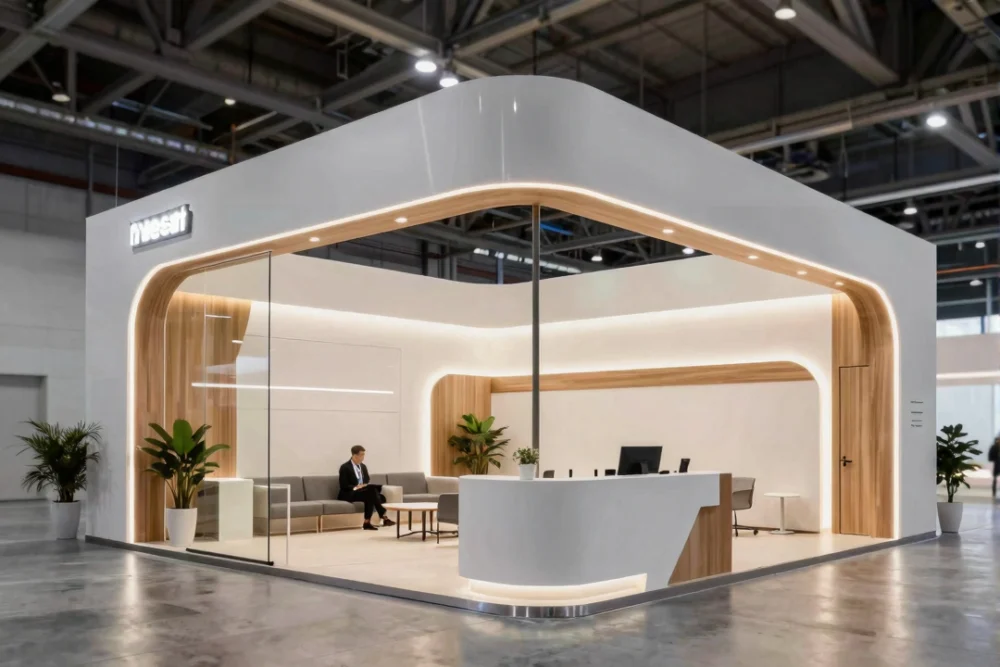
A vibrant exhibition booth featuring a prominent 3D signage element that attracts attention
3D Signage for Exhibitions in Dubai: Maximizing Brand Impact
3D signage is essential for exhibitions in Dubai as it significantly enhances your brand’s visibility and engagement. Utilizing 3D signage can draw attention, spark curiosity, and invite potential customers into your booth. Bold colors, creative lighting, and dynamic designs can elevate your exhibition space, ensuring that it stands out amidst the competition.
Key Takeaways
- 3D signage captures attention from various angles and distances.
- Bold design elements enhance brand visibility and consumer engagement.
- Incorporating interactive elements can boost visitor interaction.
- Unique and shareable designs turn your booth into an Instagrammable destination.
- Careful positioning ensures maximum visibility, attracting more visitors to your brand.
When planning your exhibition signage, positioning is crucial for ensuring visibility from different angles. Place your 3D signage strategically to maximize exposure. Consider high-traffic areas where footfall is highest, and ensure the signage is not obstructed by other booths. An effective layout allows attendees to see your brand message clearly as they approach.
Incorporating Interactive Elements
Adding interactive elements to your 3D signage can greatly enhance visitor engagement. These could include touch screens with touch-responsive graphics or QR codes linking to product information or social media. For example, allowing visitors to scan a QR code can lead them to an interactive video showcasing your brand story or detailed product features. This engagement strengthens their connection with your brand and drives foot traffic to your booth.
Interactive elements not only keep visitors entertained but can also boost retention of your marketing messages. Attendees are likely to remember your brand longer if they have a hands-on experience, increasing the opportunity for conversions.
Creating Shareable Moments
3D signage can transform your booth into an Instagrammable destination, encouraging social media sharing. Consider using unique designs or incorporating popular social media elements, such as photo backdrops or a creative hashtag. The goal is to create a visually striking setup that attendees will want to photograph and share. This organic exposure can amplify your brand’s reach, creating a buzz around your presence at the exhibition.
Engage your audience with designs that are not only eye-catching but also reflect your brand identity. Compile a gallery of visitor photos and utilize them in your further marketing efforts, showcasing real engagement and community interaction in your social channels.
By leveraging 3D signage effectively, you can enhance your exhibition presence and optimize your marketing strategies. Invest in high-quality design and professional installation to ensure that your signage conveys the desired message and resonates with your audience. Providers like Media Print UAE offer valuable insights into creating impactful exhibition setups.
Frequently Asked Questions
What is a 3D sign?
A 3D sign creates visual depth using raised letters and shapes, offering a premium aesthetic. These signs are highly customizable in font style, finish, and lighting, making them suitable for retail, hospitality, and corporate environments.
How do 3D signs differ from flat signs?
The main difference between 3D signs and flat signs is depth; dimensional signs use raised elements to create a stronger visual impact. This makes them stand out more than traditional 2D signs, which can sometimes blend into backgrounds.
What materials are commonly used for dimensional signs?
Common materials include acrylic, popular for a clean, polished finish, and foam, primarily for lightweight indoor applications. For outdoor commercial settings, UV-resistant materials like acrylic and stainless steel are crucial for performance.
What are the key benefits of using dimensional signs?
Dimensional signs offer a premium look and stronger visual impact due to their depth. When illuminated, they provide 24/7 visibility. They also boast long-term durability, especially with UV-resistant materials, and require only low maintenance.
Are there specific requirements for dimensional signage in the UAE?
Yes, in the UAE, this signage must comply with the UAE Fire and Life Safety Code of Practice and the Dubai Universal Design Code. Requirements include bilingual text (Arabic/English), Braille, and tactile features. There is also a trend towards 3D evacuation plans.