The Importance of Logo Design in Dubai
Branding in Dubai emphasizes the significance of a well-designed logo. Your logo is often the first thing clients and customers see. It serves as a crucial element of your brand identity. An effective logo should be distinctive, memorable, and adaptable for various platforms. In Dubai’s competitive market, a well-designed logo not only embodies your brand’s essence but also helps differentiate your business from others.
Logos should blend modern aesthetics with cultural insights. Minimalist designs have gained popularity, reflecting sophistication while ensuring ease of recognition. Incorporating elements of Arabic calligraphy can provide a localized touch that resonates with the audience, making your brand more relatable within the community.
Key Takeaways
- A well-designed logo is vital for creating a strong brand identity.
- Minimalism appeals to Dubai consumers and enhances recognition.
- Local cultural elements can enhance relatability and market positioning.
Key Features of Effective Logo Design
When designing a logo for your brand, consider these essential features:
- Simplicity: A simple logo is easier to recognize and remember. Think of internationally recognized logos like Apple or Nike; their straightforward designs foster instant recall.
- Versatility: Ensure your logo works well in various sizes and on different backgrounds. Whether it’s on social media, business cards, or large billboards, it should remain clear and impactful. An example of good versatility can be seen in brands like Starbucks; their logo remains coherent across mediums.
- Relevance: The logo should align with your brand values and target audience. Conducting audience research can help shape a logo that accurately reflects the ethos you wish to convey. For instance, a tech startup might opt for a more modern and sleek logo to appeal to younger demographics.
How to Create a Memorable Logo
Follow these steps to create a memorable logo that effectively communicates your brand identity:
- Conduct market research to understand your competitors’ branding. This may help you identify gaps and opportunities where your logo can stand out.
- Sketch multiple design concepts based on your brand’s identity. Start with brainstorming sessions; sometimes, the most unique ideas emerge from a ‘what if’ approach to design.
- Seek feedback from stakeholders before finalizing the design. Getting input from diverse groups can provide insights that improve the final product. Consider utilizing business branding packages Dubai for professional insights.
- Use professional design software to create a polished final version. Utilizing programs like Adobe Illustrator ensures that your logo has the quality needed for both print and digital platforms.
A common mistake is overcomplicating the design. Intricate details can lead to confusion and dilute the brand message. Focus on a clear and straightforward representation of your brand. Aim for a logo that can stand the test of time, as redesigns every few years may confuse your audience and undermine brand loyalty.

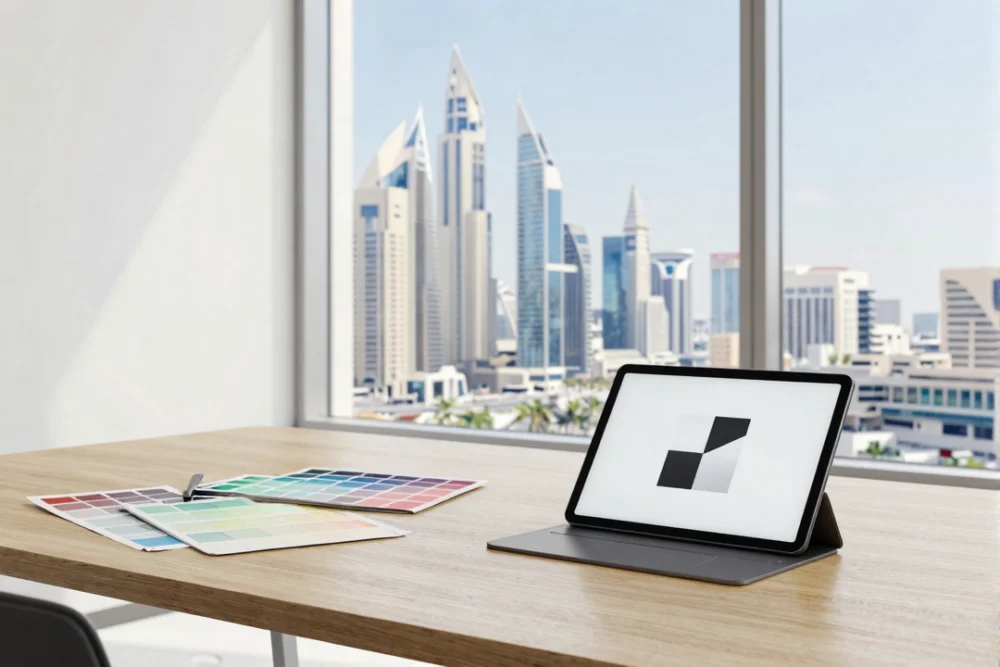
A selection of brand color swatches and design tools arranged on a marble surface
Crafting a Color Palette That Resonates
Branding in Dubai relies heavily on the right color palette, as colors evoke emotions and can greatly influence consumer behavior. A well-chosen palette helps in establishing a strong visual identity that resonates with your audience, especially in a diverse market like Dubai where color choices carry significant cultural meanings. Understanding the psychological impact of colors is fundamental in crafting a brand that attracts and engages your target demographic.
When selecting a color palette, consider how each color reflects your brand’s values and message. Not only should your colors resonate with your mission, but they must also appeal to local tastes. Here’s a breakdown of some commonly accepted color meanings:
- Blue: Symbolizes trust and security, making it a popular choice for financial services and healthcare.
- Green: Associated with nature and growth, perfect for brands in agriculture or wellness.
- Red: Evokes feelings of passion and excitement; ideal for energy-powered or entertainment sectors.
- Yellow: Represents optimism and cheerfulness, capturing attention quickly; suitable for retail and consumer products.
- Black: Associated with luxury and sophistication, often used by premium brands.
Developing Your Color Palette
Creating an effective color palette is essential to convey your brand identity clearly. Follow these steps to develop your palette:
- **Choose a primary color** that reflects your brand’s personality. This color will be the foundation of your brand identity.
- **Select 2-3 secondary colors** that complement the primary color. These should work harmoniously together to create a cohesive look.
- **Test the palette** across different mediums like print, digital displays, and merchandise to ensure it remains consistent and visually appealing. Tools like Adobe Color can help visualize how your colors interact.
Here are some best practices to keep in mind:
- Limit your palette to **4-5 harmonious colors** that evoke the right emotions while ensuring they work well together.
- Always consider the **cultural implications** of colors in Dubai; for example, white symbolizes purity and peace, making it a safe choice for various market segments.
- Utilize **contrast** effectively to enhance readability and draw attention to key elements of your branding.
To avoid common mistakes in color selection, ensure that the colors do not clash, which can make your brand appear unprofessional or chaotic. Confirm with local suppliers to gain insights into popular trends in color preferences within the market.
Colors not only define your product’s aesthetics but also reinforce your brand identity. Deploying a thoughtful color palette can significantly affect customer engagement and brand loyalty.
For businesses seeking help with their brand identity, building a business branding package in Dubai can provide tailored solutions, ensuring cohesive color usage throughout all branding materials.
Typography Choices that Reflect Your Brand Voice
Branding in Dubai encompasses various elements, and typography is a crucial part of that mix. The right typography does more than just beautify your material; it conveys your brand’s personality and values while ensuring clarity across different platforms. This is especially important for Dubai’s bilingual context, where both Arabic and English are widely used.
Choosing the appropriate fonts requires thoughtful consideration of your brand’s character and the message you want to convey. Here’s what to keep in mind:
- Legibility: Select fonts that are easy to read in various sizes. This ensures that your messaging is accessible, whether on a billboard or a business card. For instance, using bold sans-serif fonts for signage can enhance visibility at a distance.
- Brand Alignment: Ensure that the font style matches your brand’s voice—be it modern, traditional, playful, or serious. A tech startup may favor sleek, modern fonts, while a luxury brand may opt for elegant, traditional scripts.
- Balance: Combine different font styles effectively. For example, using a bold font for headers and a lighter font for body text can help establish a clear hierarchy in your design, making the content easier to navigate.
How to Select the Right Typography
Selecting the appropriate typography can significantly impact how your brand is perceived. Follow these steps to make informed choices:
- List the traits you want your brand to communicate. Do you aim for innovation, trust, or luxury? This will guide your font selection.
- Review a variety of font styles to find those that best fit your brand’s personality. There are numerous platforms available, such as Google Fonts or Adobe Fonts, that allow you to explore and compare different typefaces.
- Check how the fonts look in various formats and sizes. Test your type choices in different contexts, such as on your website, in print materials, or on social media. You might find a font that looks great on-screen but fails in print.
One effective tip is to create small mock-ups of business cards or marketing materials with your chosen typography. This helps visualize how the typography will function within your overall brand design.
Avoid the common mistake of using too many different typefaces. This can lead to inconsistency and confusion for your audience. Stick to a maximum of two or three typefaces to maintain a cohesive look throughout all branding materials.
For added clarity, it’s beneficial to incorporate fonts that support both Arabic and English if your branding campaign targets a diverse audience in Dubai. Custom Arabic typefaces can also enhance the unique flavor of your brand while respecting local design standards.
By zeroing in on typography that reflects your brand voice, you strengthen your identity and create a lasting impression on your customers.
For further insights on creating a cohesive brand identity, consider our Business Branding Package Dubai, which covers essential elements including typography.
Consistency Across Channels: Print vs Digital
Branding in Dubai requires maintaining consistency in brand identity across various channels to build trust and recognition. As businesses leverage both print and digital platforms, it’s critical that your branding is both recognizable and unified. This consistency greatly enhances your company’s visibility and credibility, setting you apart in a competitive marketplace.
Using the same visual elements—such as logos, colors, and typography—across all communication forms is essential. This uniformity should extend to business cards, websites, social media profiles, and any promotional materials. For instance, a well-designed logo and stationery package Dubai not only reinforces your corporate identity but also helps to establish a memorable brand presence.
Key Takeaways
- Consistency builds trust and enhances brand recognition.
- Uniformity across print and digital channels increases visibility.
- A well-crafted style guide is key to maintaining brand integrity.
Strategies for Consistent Branding
- Develop a Style Guide: Create a comprehensive style guide that captures your branding elements such as logos, color palettes, typography, and usage rules. This document serves as a reference for all employees and vendors to ensure that branding is applied correctly and consistently across all media.
- Perform Regular Audits: Schedule periodic reviews of your branding materials to check for consistency. Look for discrepancies in logo usage, color applications, and typography across platforms. Identify which materials need updates to align with your current branding strategy. This practice helps to avoid mixed messages and keeps your branding fresh.
- Train Employees: Conduct training sessions for all team members focused on your branding guidelines. Ensure that every employee understands the importance of brand consistency. Share practical examples of both correct and incorrect branding applications. Encourage team members to hold each other accountable for adhering to these guidelines.
Adapting Branding for Different Environments
Consistency does not mean rigidity; it’s about balancing uniformity with adaptability. Different platforms may require adjustments in how branding elements are conveyed. For example, social media posts may have more visual flexibility compared to formal business communications in print. Always tailor your branding approach while adhering to core principles to suit specific environments. This adaptability ensures that your message resonates well with the respective audiences, whether for digital ads or brochures.
A common mistake in branding practices is neglecting to adapt your branding for different environments. This oversight can lead to mixed messages and confusion, diluting your brand’s impact. Always keep your audience and context in mind when planning your branding strategy.
Engaging branding services in Dubai can help ensure your branding efforts are well-coordinated and effective across all channels. They can provide insights into local trends and viewer preferences to perfect your approach.
Navigating Local Regulations for Branding in Dubai
Branding in Dubai necessitates a thorough understanding of local regulations, as these laws significantly influence how you can present your brand. Regulatory requirements can impact key elements such as logo usage, advertising mandates, signage restrictions, and even acceptable color palettes. Adhering to these regulations not only ensures legal compliance but also fosters a brand image that is respectful and culturally appropriate.
In Dubai, strict laws govern the use of branding elements that all businesses must adhere to. For instance, advertisements must primarily feature Arabic, with at least 50% of the content in Arabic. This requirement is not just a formality but a vital aspect of engaging a local audience. Collaborating with local branding services can help businesses navigate these regulatory landscapes effectively.
Key Regulatory Considerations
Paying attention to the following regulatory points is essential for a successful branding strategy:
- Regularly monitor for updates on branding regulations with local authorities. Regulations can change, and staying informed is crucial for compliance.
- Employ bilingual designs that respect cultural norms and meet legal specifications. This includes effectively merging Arabic typography with English designs. Mistakes in typography can lead to misunderstandings or cultural insensitivity.
- Ensure that logos and designs meet specific requirements before your business launch. For instance, the branding must comply with the Dubai Universal Design Code, which outlines standards for accessibility and inclusivity.
Moreover, taking into account advertising laws such as the Decree No. (6) of 2020 is vital, as it outlines specific language requirements and locations where advertising is prohibited. Do not overlook compliance; violations can lead to costly penalties and damage your brand’s reputation in this competitive market.
Exploring Branding Services in Dubai
Branding in Dubai encompasses a variety of services designed to strengthen your brand presence. Utilizing local branding services can significantly enhance your overall strategy, aligning your business identity with market demands. Whether you need a standout logo or a full corporate identity package, these services are essential for establishing a cohesive brand image that resonates with your target audience.
A business branding package Dubai often combines several elements, including logo design, color palette selection, typography, and stationery design. Each component is crafted to reflect the unique character of your brand. By working with professionals familiar with Dubai’s market landscape, you can save time and ensure that your branding efforts are effective and relevant.
Key Takeaways
- Branding services range from logo design to comprehensive packages.
- Choosing local providers can align strategies with cultural nuances.
- High-quality branding builds a cohesive identity across all channels.
Choosing the Right Branding Services
When selecting branding services, keep these important criteria in mind to make an informed decision:
- Portfolio Review: Evaluate the service provider’s past work to gauge their style and effectiveness. Look for case studies that showcase successful branding projects similar to yours.
- Expertise in Local Market: It’s critical to choose providers who understand Dubai’s cultural and legal landscape. They should be familiar with regulations related to advertising and branding as highlighted in local guidelines.
- Customization Capabilities: Ensure the services offered can be tailored to fit your specific business objectives and audience. A one-size-fits-all approach may not effectively convey your brand’s unique identity.
For instance, if you are interested in a business branding package Dubai, find a service that allows for flexibility in logo and stationery design. It’s important to verify that they can adapt designs to both print and digital formats, ensuring consistency across all channels.
A common mistake in this area is focusing solely on price instead of the value and quality of the work. Compromising on quality may result in branding that underrepresents your business. Focus instead on establishing a long-term relationship with a reputable provider who understands your vision and goals.

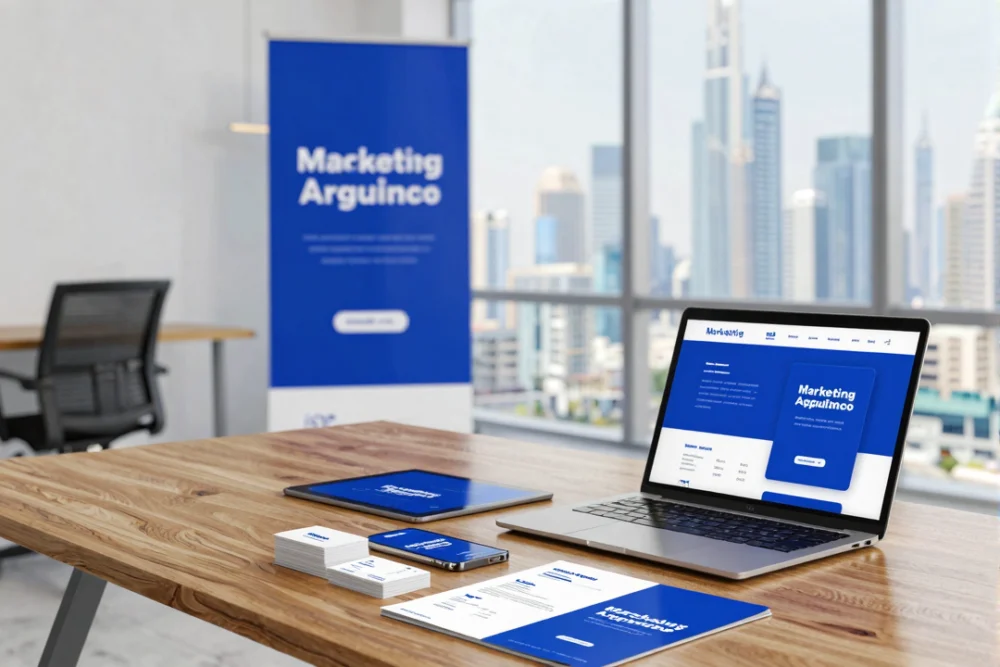
A smartphone and a printed brochure demonstrating unified brand visuals on a bright modern workspace
Vendor Brief Checklist / Template
Branding in Dubai involves selecting the right service provider, and having a clear checklist is essential to streamline your decision-making process. A thorough vendor brief template not only guides your selections but also ensures you make informed choices about branding services that align with your business needs.
The following checklist provides key criteria to consider when evaluating potential branding service providers:
| Criteria | Detail |
|---|---|
| Portfolio Review | Assess past work for style, creativity, and effectiveness. Look for projects similar to your own needs, such as those involving custom logo design Dubai. This gives you insight into the provider’s capabilities and design aesthetics. |
| Expertise in Local Market | Investigate their experience with Dubai’s cultural and legal requirements. Providers familiar with local regulations, like language mandates for advertisements, will help ensure compliance and avoid potential issues down the line. |
| Customization Capabilities | Verify their ability to tailor offerings to your specific business needs. A great branding service should provide a detailed business branding package Dubai that addresses your unique brand identity and goals. |
| Client Testimonials/Reviews | Check references and feedback from previous clients. Look for reviews that highlight their professionalism, ability to meet deadlines, and success in enhancing brand visibility. |
| Budget Alignment | Ensure their fees fit within your branding budget without compromising on quality. Compare their pricing with industry standards and align it with what you expect in return. |
Taking the time to confirm these criteria can help you avoid misalignment in your branding strategy and ultimately ensure success in your branding journey. Remember, a well-chosen branding partner can lead to a cohesive identity that boosts your brand’s presence in the competitive Dubai market.
Frequently Asked Questions
Why is localization important for branding in Dubai?
Localization is crucial for branding in Dubai because failing to localize content for Arabic and English voice queries can lead to missed engagement. Brands must optimize Google Business Profiles and listing data in both languages. Incorporating local Arabic keywords for Dubai neighborhoods and landmarks is key for winning voice search in the region.
How does AI impact modern brand experiences?
AI significantly transforms modern brand experiences by adapting to user emotions in real-time, allowing for hyper-personalized interactions. Dubai’s AI-first policy encourages businesses to adopt AI safely, aiming to generate substantial economic value through digital transformation and ethical AI use across sectors.
What are the key elements of a strong brand identity?
A strong brand identity is built upon several core elements, including distinctive logos, consistent typography, and a cohesive color palette. These components should work together to convey emotional resonance, maintain simplicity, and ensure versatility across all communication materials, from business cards to billboards.
Why is consistency crucial for brand recognition?
Consistency across a brand’s visual elements, such as logos, colors, and fonts, is vital because it builds recognition and fosters trust with the audience. Maintaining a unified appearance helps a brand stand out, become memorable, and reinforce its message across various platforms.
How can businesses ensure their brand identity remains consistent?
To ensure brand identity consistency, businesses should create a comprehensive brand guidelines document or kit. This document specifies clear rules for logo usage, defines exact color codes, and outlines approved typography, ensuring all brand materials adhere to established visual standards.