Building a Multichannel Content Creation Plan
Content creation in Dubai is essential for successful exhibitions and brand launches. In this vibrant market, it’s crucial to have a well-structured approach that balances both print and digital channels. This article will guide you through practical steps to build an effective multichannel content plan, offering a checklist and key considerations to help you craft tailored content for your specific audience in Dubai.
Key Takeaways
- Create a comprehensive checklist for coordinating print and digital materials.
- Assess and allocate budget for various content formats.
- Understand the timing of Dubai events to ensure timely content delivery.
- Comply with local advertising regulations to avoid penalties.
- Focus on creating high-quality print assets that convey permanence and reliability.
Understanding Your Audience
Before diving into content creation, thoroughly understand your audience in Dubai. Who are they? What are their preferences? Conduct surveys or leverage analytics from previous campaigns to gather insights. For example, if you’re targeting young professionals, focus on engaging and interactive content such as videos or social media snippets.
Key Consideration: An persona-based approach helps in tailoring messages that resonate. Create personas representing different audience segments and customize your content to align with their interests and needs. This ensures your content isn’t just noise but engages your audience meaningfully.
Choosing Your Content Formats
The next step is to determine which content formats best suit your objectives. Here’s a breakdown of some popular options to consider:
- Digital Content: Blog posts, social media updates, emails, and videos can reach a broad audience quickly. For instance, using platforms like Instagram and TikTok can be beneficial if your target demographic is younger.
- Print Materials: Brochures, business cards, and display banners can create a lasting impression at exhibitions. Invest in quality materials that reflect your brand’s ethos. For example, a glossy brochure can provide a premium feel compared to a matte finish.
- Hybrid Events: Consider integrating both formats for exhibitions—live streaming to engage online audiences while presenting physical materials to in-person participants. This approach expands your reach effectively.
Recommendation: Perform a cost-benefit analysis to determine which formats provide the best ROI. Understanding the costs associated with creating high-quality print versus digital assets is essential for budget allocation.
Effective Multichannel Coordination
To manage your content smoothly across multiple channels, develop a cohesive content calendar. This calendar should outline what content will go live when and on which platforms. Here’s how to structure it:
- Define Objectives: Set clear goals for each channel—such as brand awareness, lead generation, or engagement.
- Plan Your Assets: Identify what content you need for each campaign. For example, if launching a new product, plan promotional videos, ads, and informative blog posts to support it.
- Review and Revise: Your calendar should be a living document. Regularly check performance metrics to see if you need to adjust your strategy.
Pro Tip: Utilize project management tools like Trello or Asana to keep everything organized and ensure that team members are on the same page.
Ensuring Compliance and Quality
When crafting your content, it’s vital to adhere to local regulations governing advertising in Dubai. Familiarize yourself with the Dubai Advertising Regulations to avoid any legal issues. Additionally, ensure that all material reflects the cultural sensitivities of the UAE.
Regularly review your print assets for quality. Use professional printing services to guarantee that your materials leave a lasting impression. It’s not just about aesthetics; it’s about representing your brand effectively.
In conclusion, a multichannel content creation plan can significantly impact your brand’s visibility and success in Dubai’s competitive market. By following these steps and keeping your content aligned with local expectations and preferences, you can create a strategy that not only engages but also resonates with your target audience.

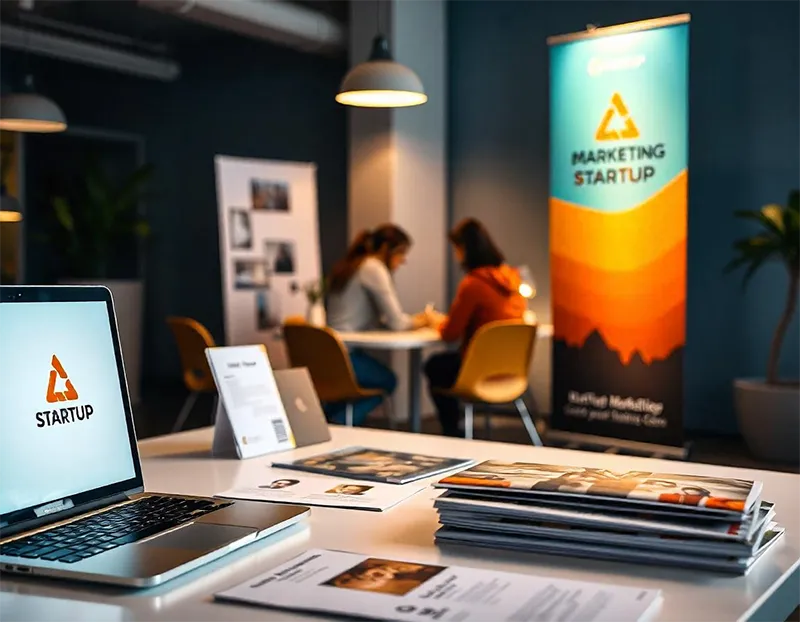
Close up of premium printed catalogs and banners at a Dubai exhibition hall.
Understanding Content Creation in Dubai
Content creation dubai involves producing and sharing media specifically tailored for your audience. In Dubai, the cultural diversity and economic opportunities create a unique landscape. Engaging content is essential for appealing to both local and international visitors at exhibitions and brand launches. Understanding various content forms—such as digital formats, signage, and printed materials—can significantly impact your event’s success.
Moreover, a well-structured content strategy ensures your brand conveys its message effectively. Content creation in Dubai requires awareness of local customs, languages, and preferences. When you align your content with Dubai’s cultural framework, you enhance your chances of engaging audiences, particularly in this multicultural hub where demographics vary dramatically.
- Embrace Cultural Diversity: Tailor content to reflect the rich cultural tapestry of Dubai.
- Engage Through Multiple Formats: Utilize a blend of digital, print, and interactive content.
- Local Language Matters: Consider language preferences to reach a broader audience.
- Adapt to Event Types: Customize your content for exhibitions, launches, and other events.
- Feedback is Essential: Collect audience feedback to refine your content strategy.
The Importance of Tailoring Content
In a city where cultures collide, creating content that resonates requires deep understanding. For example, using Arabic alongside English in your signage can foster inclusivity. Incorporate visual elements that showcase local landscapes or cultural symbols to create a sense of relatability. If your target audience includes expatriates, offering content in their native languages may enhance engagement.
Forms of Content to Consider
Diverse content types can ignite interest during exhibitions and brand launches:
- Digital Media: Leverage social media platforms like Instagram and LinkedIn to share real-time updates and engaging visuals. For instance, interactive posts showcasing behind-the-scenes setups can generate buzz before the event.
- Printed Materials: Brochures, flyers, and business cards remain effective for face-to-face interactions. Ensure that your printed materials align with your digital efforts and present a cohesive brand message.
- Signage: Invest in high-quality visuals that attract attention. Bright colors and bold fonts can capture the fast-paced attention of passersby at busy exhibitions.
Step-by-Step: Crafting an Effective Content Plan
To ensure your content is effective, follow these simple steps:
- Research Your Audience: Understand the demographics and preferences of the attendees. Tailor your content to their interests.
- Set Clear Objectives: Define what you aim to achieve—whether it’s increasing brand awareness, generating leads, or driving sales.
- Choose Your Formats: Decide which types of content best fit your objectives and audience preferences.
- Create a Content Calendar: Develop a timeline for content production and distribution leading up to the event.
- Collect Feedback: Post-event, gather insights to evaluate what worked and what needs improvement for future events.
By meticulously crafting and adapting your content strategy, you can maximize your impact at exhibitions and brand launches in Dubai. Ultimately, ensuring that your content is engaging, culturally relevant, and strategically crafted will guarantee a successful outreach to the diverse audiences that flock to this vibrant metropolis.
Creating a Comprehensive Content Checklist
To streamline your event content creation Dubai, you need a detailed checklist. This content creation checklist Dubai should ensure nothing is overlooked. A thorough checklist not only helps you stay organized but also allows you to track your progress efficiently, ensuring that all your content aligns with your brand message. A well-structured checklist can save time and reduce stress as you approach your exhibition or brand launch.
- Be Thorough: Address every content type from digital to printed materials.
- Adapt for Platforms: Customize content for each social platform.
- Engage the Team: Regularly update the checklist to include team feedback.
- Visual Appeal: Focus on visually engaging signage and materials to attract attendees.
- Plan for Follow-Up: Have post-event content strategies in place.
- Signage: Include booth graphics, directional signs, and promotional displays. Make sure designs are eye-catching and informative. For example, using bright colors and bold fonts on signs can draw attention. Add QR codes linking to product pages, allowing visitors to engage digitally while at the event.
- Catalogs: Prepare brochures or catalogs that clearly communicate your products or services. Choose high-quality printed materials to enhance your brand image. Consider including testimonials or case studies to build trust. For instance, a catalog featuring before-and-after visuals can be quite compelling for potential customers.
- Social Media Posts: Create a series of engaging posts for platforms that fit your audience, such as Instagram and LinkedIn. Tailor your messaging to each platform’s best practices. For example, use visually engaging graphics for Instagram, while focusing on detailed insights for LinkedIn. Schedule posts leading up to the event and during to build anticipation, possibly creating a countdown to engage your audience.
Check off each item on the list as you progress to ensure all elements are properly aligned ahead of your event. Regular revisions of the checklist based on team feedback can significantly enhance effectiveness. A common mistake to avoid in this process is neglecting to review and update the checklist during the planning phase. Moreover, consider assigning specific team members to each checklist item for accountability. This approach can ensure that nothing falls through the cracks, leading to a smoother execution of your content strategy.
Cost Comparison: Print vs. Digital Content
Understanding the costs associated with different types of content is critical for budgeting. Content creation Dubai varies significantly between print and digital formats, each offering unique advantages and disadvantages. By knowing what to expect financially, you can allocate your resources efficiently and adjust your strategy based on what delivers the best return on investment (ROI).
- Print costs generally involve fixed expenses such as materials and production.
- Digital costs tend to fluctuate based on reach, engagement, and platform fees.
- Regular budget reviews are essential to avoid unexpected expenses.
- Factor in hidden costs like distribution for print and ad spend for digital.
| Content Type | Estimated Cost (AED) | Estimated Cost (USD) |
|---|---|---|
| Signage (Per Unit) | 200 AED | 54 USD (approx. 200 AED) |
| Catalogs (Per 100 Copies) | 1500 AED | 408 USD (approx. 1500 AED) |
| Social Media Campaigns | Approximately 1000 AED | 272 USD (approx. 1000 AED) |
Print Content Costs Explained
When assessing print content, consider the fixed costs associated with graphic design, materials, and printing. For example, the cost of signage at 200 AED each includes not just the print but also design fees. If you plan on creating multiple units, these costs can add up quickly. You might also need to budget for installation, especially for large display signs.
Catalog production costs can be significant—around 1500 AED for 100 copies. This production cost reflects both the design and the printing itself, but it does not account for distribution. Sending these catalogs to potential clients via postal service can further increase your budget, making it critical to include that in your overall cost projections.
Understanding Digital Content Costs
Digital content costs, particularly for social media campaigns, can be more variable. At approximately 1000 AED, this may cover basic ad placements but will require ongoing investment for greater reach and engagement.
Unlike print, digital expenses often include costs that adjust based on performance metrics such as clicks and conversions. This means you might start with a set budget but may need to increase or reallocate funds based on what’s working. Tools like A/B testing can help optimize your spending to ensure higher engagement levels, ultimately yielding better results.
Tips for Effective Budgeting
To manage your costs effectively, regular budget reviews are essential. Check in with your suppliers for current rates and trends regularly. This is especially vital in a market as dynamic as Dubai, where pricing can fluctuate.
A common pitfall is to underestimate the total budget needed for a complete content suite. Careful planning and tracking can help maintain clarity. Here are some practical tips:
- Outline all potential expenses: Consider every detail from design to distribution.
- Prepare for project overruns: Allocate an extra 10–15% to your budget for unforeseen costs.
- Stay flexible: If a specific channel isn’t performing, be ready to shift funds to areas generating results.
By differentiating between print and digital pricing structures, you can further refine your budget allocations to align with your overall marketing strategy effectively. This approach helps in achieving optimal outcomes from your content creation efforts in Dubai.
Timing Considerations for Dubai Events
Event timing plays a crucial role in your content creation Dubai strategy. By understanding Dubai’s event calendar—including key dates and seasonal peaks—you can plan effectively for reliable delivery. For instance, significant events like Ramadan, Dubai Shopping Festival, and other cultural festivities necessitate tailoring your content to resonate with the local audience and align with their expectations. This cultural rhythm influences not only what you say but also when you say it.
For example, during Ramadan, audiences are more inclined to engage with content that reflects themes of community, spirituality, and generosity. Therefore, if you are launching a product during this time, consider creating content that respects these values. A campaign could include promotional visuals that feature community gatherings or charitable acts, enhancing relevance and resonance with your audience. Planning not only for the creation of these materials but also for their promotional timing will maximize their impact.
Step-by-Step Timing Strategy: Start by mapping out the events that are significant to your audience. This could include local holidays, trade shows, and public events. Consider the following steps:
- Research the Calendar: Identify major events, public holidays, and seasonal trends in Dubai. Utilize a local event calendar and industry reports to find data-driven insights.
- Analyze Audience Behavior: Understand when your target audience is most active. For instance, engagement rates may spike during weekends or after working hours.
- Set Internal Deadlines: Integrate key dates into your content calendar. For example, if a major exhibition is coming up, have your initial drafts ready two months in advance.
- Monitor Market Trends: Pay attention to developments in your industry. Shift your content focus as needed to remain relevant.
- Plan for Flexibility: Build in time for revisions and approvals, especially when working with multiple stakeholders.
A common mistake is waiting too long to finalize graphics or digital content. Establishing deadlines early in your content plan can serve as a buffer against unexpected delays. Making use of project management tools can help to keep all team members on track. Additionally, collaborating with local vendors who understand the market’s ebb and flow can offer valuable insights on appropriate timing for your campaigns.
Ultimately, adjusting your schedule to accommodate public holidays or busy periods in Dubai will facilitate smooth content distribution, allowing you to engage effectively with your audience and optimize engagement opportunities.
Regulatory Compliance in Content Creation
Adhering to local laws regarding advertising is vital for successful content creation Dubai initiatives and to avoid penalties. The Dubai Decree No. 6 of 2020 sets clear guidelines for marketing practices in the Emirate. This legislation demands high standards for transparency and accuracy in promotional materials. Companies must ensure that all promotional claims are truthful, substantiated, and appropriately contextualized to maintain compliance and avoid misunderstandings.
For instance, when collaborating with influencers, it’s essential to disclose these partnerships clearly. This not only fosters transparency but also aligns with regulatory requirements. Additionally, any promotional content should accurately reflect genuine pricing without hidden fees or complicated conditions. By providing clear and honest information, you enhance your brand’s credibility, fostering trust among your audience, which is critical for long-term loyalty.
Moreover, staying updated on evolving regulations is crucial. For example, if a new amendment to the advertising laws is introduced, your marketing strategy should adapt accordingly. A common pitfall is overlooking these legal requirements until it’s too late, which can lead to substantial fines or damage to your brand’s reputation.
Key Takeaways:
- Understand the implications of Dubai Decree No. 6 of 2020 on your content creation strategy.
- Ensure all promotional claims are truthful, transparent, and easy to verify.
- Regularly review compliance guidelines to avoid penalties.
- Monitor any changes in local advertising regulations.
One practical step is to conduct regular compliance audits of your content, checking for adherence to legal requirements. This could involve reviewing social media posts, advertisements, and influencer collaborations. Maintain open communication with legal experts familiar with Dubai’s advertising laws. They can provide valuable insights and assist in crafting compliant promotional messages.
Also, consider using checklists to ensure that all materials meet transparency standards. For example, a checklist for influencer partnerships could include items like ensuring proper disclosures are made, verifying followers’ authenticity, and confirming that the partnership aligns with your brand values. Using such tools can streamline your compliance process and maintain high standards in your content creation efforts.
Building Durable Print Assets
Creating long-lasting print materials is essential for event content creation in Dubai. Print permanence affects the longevity of your signage and promotional materials. High-quality prints not only enhance your brand image but also ensure that your message remains intact over time. Invest in durable materials, such as pigment-based inks and archival papers, to ensure your prints withstand environmental factors like humidity and sunlight.
Key Takeaways:
- Opt for industry-standard paper types for durability.
- Incorporate protective coatings to extend the lifespan of your materials.
- Conduct regular quality assurance checks on your prints.
- Avoid cost-cutting on materials, which can lead to poor results.
Selecting the Right Materials
Choosing the right paper and ink is crucial for lasting prints. Consider using 300gsm paper for banners and promotional materials, as this thickness provides sturdiness. If your print will be exposed to outdoor conditions, use vinyl materials for banners, as they resist fading and wear.
Comparatively, when using dye-based inks, the vibrancy may be appealing initially, but they tend to fade quickly under sunlight. Instead, opt for pigment-based inks that maintain color integrity longer and resist environmental degradation. These inks are especially vital for outdoor signage in a place like Dubai, where UV exposure is intense.
Protective Measures
Utilizing protective coatings and laminates significantly extends print life. For example, using UV-resistant coatings can shield your prints from sunlight degradation, preserving them for longer periods. Additionally, consider applying a matte laminate for prints that will be handled frequently, as it adds a layer of protection against fingerprints and scratches.
Another effective measure is to use weather-proof coatings for prints displayed outdoors. These coatings not only resist fading but also protect against water damage, ensuring your marketing materials remain intact during rainy days.
Regular Quality Assurance
Conducting regular reviews of your print materials for quality assurance is vital. Check for signs of fading, peeling, or damage, especially if materials have been exposed to the elements. Taking proactive steps can identify potential areas for improvement before they become significant issues.
A common mistake is selecting cheaper materials to cut costs. While this may offer short-term savings, it can lead to wasted investments when materials deteriorate quickly. Opt for a materials checklist that includes print longevity and environmental resistance factors to ensure you’re making informed choices.
By implementing these strategies, you can create durable print assets that enhance your brand’s presence during exhibitions and events in Dubai. Remember that high-quality print materials contribute not only to the effectiveness of your marketing efforts but also to the overall perception of your brand.
Digital Content Creation: Strategies and Tools
Content creation in Dubai requires a strategic approach to engage your audience effectively. Digital content, including social media posts and interactive media, is crucial for maintaining this engagement. By focusing on varied formats such as videos and infographics, you can capture attention and maximize reach. Using multiple content formats not only broadens your audience engagement strategy but also helps in addressing different user preferences.
- Embrace Variety: Different types of content appeal to diverse demographics.
- Real-time Interaction: Live sessions boost engagement and build community.
- Data-Driven Decisions: Analyze engagement to adapt your content strategy effectively.
- Short-Form Dominance: Prioritize quick, impactful video content to capture attention.
Video Usage
Video content is a powerhouse in the realm of digital marketing. To maximize engagement, share short clips tailored for platforms like Instagram and TikTok. For instance, creating a 30-second behind-the-scenes video of your exhibition can enhance user interest tremendously. Research shows that short-form videos often outperform traditional post formats, bringing in engagement rates as high as 300% compared to static images.
Pro Tip: Use captions in videos, especially for platforms where sound may be off; this approach caters to viewers who scroll through feeds with the sound disabled.
Live Content
Incorporate live sessions during events to provide real-time interaction with your audience. These sessions foster community building and create a sense of urgency—when people know they can engage with your brand in real-time, they are more likely to participate. Consider hosting a Q&A session where attendees can ask questions about your products or services during an exhibition. This interactivity can significantly boost your brand’s visibility and credibility.
Moreover, platforms like Facebook Live and Instagram Live allow you to connect directly with viewers, making them feel included and valued. This kind of authentic interaction can enhance brand loyalty significantly.
Regular Engagement Analysis
Regularly analyzing engagement data is essential to refining your digital content strategy. Consider tools like Google Analytics or social media insights to track what works best for your audience. For example, if you notice higher interactions with your videos compared to images, it might be wise to focus more on video content. A common mistake marketers make is sticking exclusively to one format and ignoring audience feedback; this results in lost opportunities for meaningful engagement and strategy refinement.
In conclusion, leveraging various content formats such as videos and live interactions, while continuously analyzing engagement data, provides a robust framework for successful content creation in Dubai. Be adaptable, respond to your audience’s preferences, and your digital content strategy will flourish.
Vendor Brief Checklist/Template
Efficient vendor management is vital for ensuring your content creation dubai aligns with event timelines. A well-structured vendor brief checklist can streamline this process, making it clearer for everyone involved. Here’s an expanded checklist to guide you:
Key Takeaways:
- Clearly define content types to avoid misunderstandings.
- Set specific deadlines to ensure timely delivery.
- Communicate branding and compliance to maintain consistency.
- Outline formats and delivery methods to enhance efficiency.
- Keep contact information updated for effective communication.
- Define the type of content required (digital/print). Start by detailing whether you need videos, brochures, or social media posts. For example, if your exhibition requires an animated promotional video, specify the duration and key messages to convey.
- Set clear deadlines for each content piece to prevent delays. Break this down into stages: initial drafts, revisions, and final delivery. Include specific dates, such as the first draft due one month before the event, which can create a clear timeline and hold vendors accountable.
- Specify branding guidelines and compliance regulations to maintain a cohesive brand image. Include a brand style guide that outlines colors, fonts, and logos. For instance, if your brand uses a specific shade of blue, mention the Pantone code to ensure visual consistency across materials.
- Outline expected formats and delivery methods to keep everyone on the same page. Specify whether you need files in PDF, JPEG, or MP4 formats, and clarify how they should be delivered—whether through email, cloud storage, or project management tools.
- Include contact information for updates and revisions at every stage of the process. Provide a list of primary contacts, including their roles and responsibilities. This will help streamline communication. Consider designating a project manager who oversees all vendor interactions to ensure clarity.
Using this checklist as a living document shared with all stakeholders can maintain alignment throughout the content creation process. Frequent updates to this document can help keep everyone informed of changes or revisions. A common mistake is not keeping all parties informed about changes, which can create confusion and delays. Regular check-ins, perhaps weekly, can also help to ensure you stay on track.
By diligently following this checklist, you can optimize the collaboration with your vendors and enhance the overall quality of your content for exhibitions and brand launches in Dubai.
Conclusion
Developing a comprehensive content creation plan for exhibitions and brand launches in Dubai requires a strategic approach. By utilizing the steps outlined above, marketing teams and SME owners can effectively coordinate their efforts to produce resonant content that engages their target audience. Adapting to local regulations and cultural nuances will further enhance content relevance, leading to successful events and strong brand presence.
Key Takeaways
- Focus on local culture and regulations to ensure content resonates.
- Utilize a multichannel strategy to reach diverse audience segments.
- Incorporate visual storytelling to enhance engagement.
- Monitor and adjust your strategies based on real-time feedback.
As you wrap up your planning, keep in mind that content creation in Dubai thrives on a clear understanding of the audience, the event’s objectives, and the market landscape. Always ask: What does our audience care about? What challenges do they face? Tailoring the content to address these questions can significantly improve engagement.
Continuous Improvement
After each exhibition or brand launch, gather feedback from your team and audience. What worked well? What could be improved? Use this data to refine future content strategies. Simply adjusting visuals, for instance, can lead to a noticeable impact in audience interaction. For example, if a specific infographic in your booth led to more inquiries, consider integrating similar designs into your future campaigns.
Engagement Metrics
Finally, always measure the success of your content efforts. Track metrics such as booth foot traffic, social media engagement, and post-event follow-up success rates. For instance, if social media interactions increased by a substantial percentage during the exhibition, it indicates that your content resonated and reached your target audience effectively.

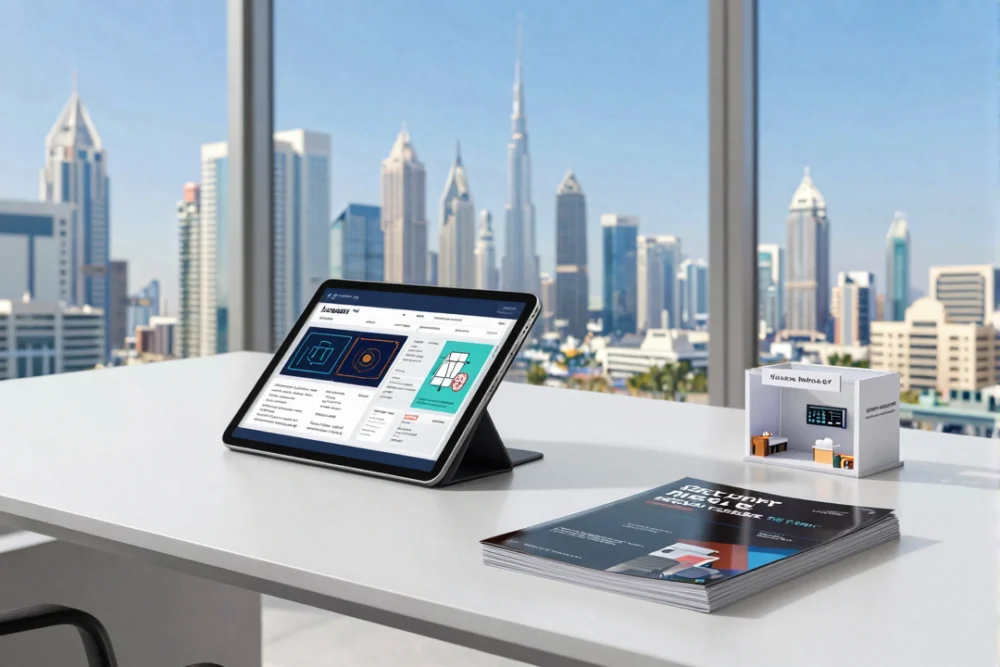
A person working on a laptop at a clean desk representing digital content strategy.
References
- Understanding Advertising Laws in UAE — LYLAW — Understanding Advertising Laws in UAE. This source provides a comprehensive overview of advertising regulations crucial for content creation in Dubai, helping brands navigate legal landscapes effectively.
- Content Creation: Strategies for Engaging and Impactful Media — Open Access Journals — Content Creation Strategies. This journal article discusses key strategies that enhance audience engagement, making it a valuable resource for developing a multichannel content creation plan.
- Administrative Resolution No. (180) of 2025 — Dubai Government — Out-of-Home Advertising Manual. This official document outlines the regulations governing outdoor advertising in Dubai, crucial for brands looking to elevate their visibility during exhibitions and launches.
Frequently Asked Questions
What is print permanence?
Print permanence refers to the longevity of printed material, especially photographs, and preservation issues.
How long do pigment-based inkjet prints last?
Pigment-based inkjet prints on specific papers like cotton rag generally last longest, with some papers having a quoted longevity of sixty years in dark storage.
What environmental factors affect print deterioration?
Environmental factors such as heat, ozone, humidity, and high light levels accelerate deterioration, with more than 90 percent of consumer prints stored in the dark where these effects dominate.
Can toning silver-based prints increase their lifespan?
Toning silver-based prints with gold, silver sulphide, or selenium increases their lifespan, making them more durable.
What is the role of content creation in preserving prints?
In the context of content creation Dubai, preserving prints through proper storage and handling is crucial, as environmental factors can significantly affect their longevity.
How do support materials affect print permanence?
Support materials, like paper yellowing or becoming brittle, often cause more deterioration than the image itself, emphasizing the need for proper preservation techniques.