Best Practices for Catalogue Design
Catalogues printing Dubai is essential for capturing your target audience’s attention effectively. The design of a catalogue is more than just aesthetics; it conveys your brand message and engages potential buyers. Each element should work in harmony to present a cohesive narrative about your offerings.
Key Takeaways
- Implement a clear visual hierarchy to enhance readability.
- Utilize high-quality images that accurately represent your products.
- Avoid clutter to keep focus on critical information.
- Choose appropriate catalogue sizes for intended distribution methods.
Start by implementing a visual hierarchy that guides the reader’s eye through the catalogue. This involves strategically using font sizes, weights, and colors to denote importance. Headings should be prominent, whereas body text can be more subdued to maintain focus. Additionally, a consistent color palette that aligns with your brand identity creates a cohesive look, reinforcing brand recognition.
Incorporating high-quality images is equally critical; low-resolution images might diminish the perceived quality of your products. Strive for visuals that are striking and relevant to the product being showcased. High-resolution images, ideally at least 300 DPI, should be standard to convey professionalism and quality. A visual representation should complement the product description, allowing potential buyers to envision using the product.
To further enhance readability, avoid cluttering pages with excessive text or graphics. A clean, well-spaced design allows readers to focus on what’s most important: your message. Ensure ample margins and spacing between sections to give content room to breathe. Using bullet points or concise explanations assists in this goal, facilitating easier scanning of information.
Additionally, consider the context in which readers will engage with your catalogues. A compact A5 size might be preferable for direct mail campaigns, where ease of handling is key. In contrast, A4 size suits in-person exhibitions, allowing potential clients to explore content more closely. Knowing where your catalogue will land can help customize it according to the audience’s reading environment.
Content Organization for Maximum Impact
When it comes to content organization, a logical flow can significantly affect how effortlessly potential customers locate the information they need. Start by evaluating your catalogue’s structure. A clear table of contents at the beginning acts as a helpful navigation tool. This organization makes it easier for readers to find specific products or sections quickly.
For example, organize your catalogue into distinct sections like:
- Product Descriptions: Provide clear outlines for each product or service, including essential specifications and features that differentiate them in the market.
- Pricing Information: Transparent pricing builds trust. Including prices upfront facilitates quicker purchasing decisions and assures potential clients they’re making informed choices.
- Contact Information: Make it easy for customers to reach out for inquiries, including phone numbers and email addresses, ensuring you’re accessible.
Including model numbers, dimensions, and material specifications helps potential buyers assess whether an item meets their needs quickly. Details like minimum order quantities and lead times are also critical for transparent communication, especially for B2B purchases. Clearly labeled headings and descriptive subheadings allow readers to navigate the catalogue effortlessly. This level of organization demonstrates professionalism and respect for the reader’s time.
Lastly, don’t underestimate the impact of engaging copy. Use brief yet effective product narratives that highlight features, benefits, and customer testimonials where possible. This type of storytelling can make your product offerings more relatable and appealing to potential clients, enhancing their desire to engage.

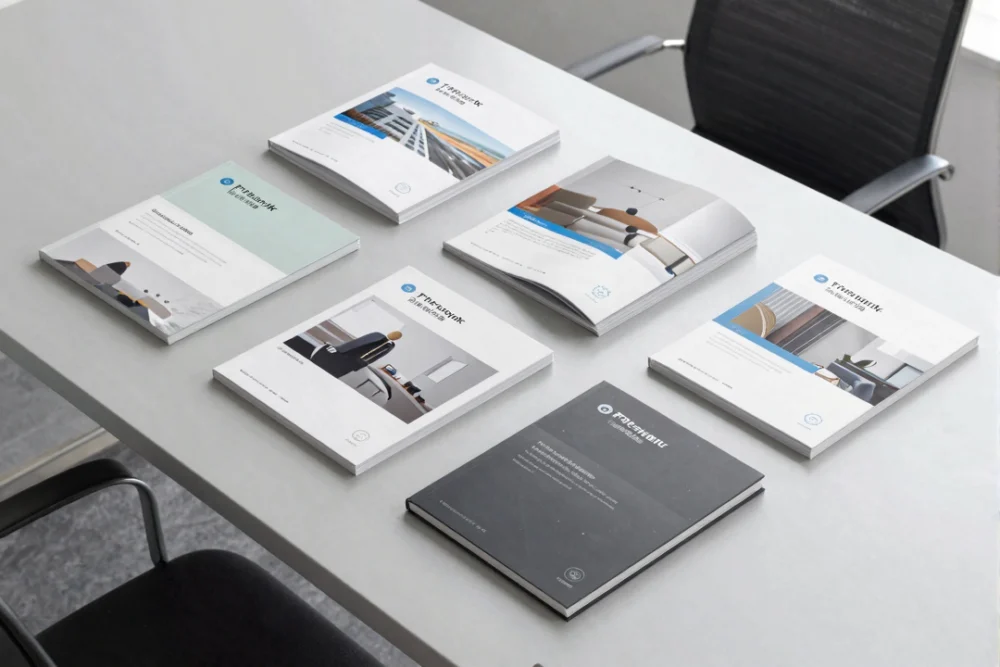
A close-up view of an open catalogue demonstrating clear content organization and high-quality imagery
Material Selection: Choosing the Right Paper and Finish
Catalogues printing Dubai requires careful consideration of material selection, as the choice of materials directly impacts the effectiveness of your catalogue. High-quality paper not only elevates visual appeal but also reflects your brand’s commitment to excellence and quality.
Key Takeaways
- Select heavier paper stock (120-170 GSM) for durability and professionalism.
- Choose glossy finishes to make images stand out; matte finishes add elegance.
- Consider soft-touch lamination for a premium tactile experience.
- Align material choices with your brand values and sustainability goals.
- Incorporate uncoated paper for eco-friendliness and reduced glare.
When selecting your paper stock, consider using heavier options, ranging from 120-170 GSM. This choice projects a sense of durability and professionalism. For example, a catalogue printed on lighter stock may feel flimsy and could lead to a less favorable impression.
Glossy finishes typically enhance color vibrancy, making product images pop and visually engaging potential clients. For brands that aim to convey refinement and elegance, matte finishes serve this purpose well, as they offer a subdued look that communicates sophistication.
- Soft-touch lamination: This treatment provides a velvety texture that feels premium to the touch, enhancing the customer experience. This can be particularly beneficial if your catalogue contains tactile products, as the presentation will resonate with the feel of the items themselves.
- Uncoated paper: This option tends to be more eco-friendly and offers a natural look. By reducing glare, uncoated paper can ensure that images are easier for readers to engage with, making it an excellent choice for detailed product shots.
In choosing materials, it’s vital to align your selections with your brand’s values. Many consumers prioritize sustainability, making it wise to consider recycled paper and environmentally friendly inks. These choices can elevate brand perception and attract a conscientious audience. For instance, by marketing your catalogue as being printed on 100% recycled paper, you could appeal to eco-conscious consumers who value sustainability.
Here are some steps to keep in mind while making your selections:
- Identify your target audience and their values. Understanding their preferences will guide your material choices.
- Compare the benefits of different paper weights and finishes to match your brand positioning. Glossy might be better for products that are vibrant, while matte may suit luxury items.
- Select sustainable options like recycled paper to appeal to environmentally conscious consumers. Brands like Media Print UAE offer eco-friendly printing solutions that can enhance your brand’s sustainability narrative.
- Confirm with your supplier that all materials meet your quality expectations for color consistency and durability.
Finalizing your material selection is not just a practical step but an opportunity to communicate your brand ethos effectively. When consumers see well-chosen materials, they may view your brand as more serious about quality — a vital factor in B2B relations.
The Printing Process: Offset vs. Digital
Catalogues printing Dubai requires careful selection between offset printing and digital printing to meet your project’s goals effectively. Understanding the specific needs of your print project will help you choose the most suitable option. Each method has its inherent advantages and associated costs, which vary based on volume and requirements.
Key Takeaways
- Offset printing is cost-effective for large runs, producing high-quality results.
- Digital printing offers flexibility and speed for smaller batches and customization.
- Your choice should factor in project volume, quality needs, and deadlines.
Offset printing is generally recommended for larger runs of over 1,000 copies. This method uses metal plates to transfer ink and can produce stunning results with vibrant colors and sharp images. It’s the preferred choice for catalogues that demand consistent quality over many copies, which is essential for brand integrity.
Advantages of offset printing include:
- Higher quality: The color consistency and detail far surpass that of digital printing.
- Lower cost per unit: As production numbers increase, your cost per page decreases significantly.
- Variety of paper options: Offset printing supports various paper types that can enhance your catalogue’s look and feel.
Conversely, digital printing shines with shorter print runs and is particularly useful when customization is key. This method is beneficial for creating limited editions or personalized catalogues without incurring high costs. It’s great for quick turnarounds, making it perfect for last-minute updates or low-quantity needs.
Key points for digital printing include:
- Speed: Digital printing allows for quicker job completion compared to offset printing.
- Customization: Easy to implement variable data printing, which is ideal for targeting specific audience segments.
- Less setup time: No need for plates means faster job initiation.
While digital avenues can be fast, they may not match the quality of offset printing when it comes to larger quantities. The color fidelity and finish are typically better in offset prints. Therefore, when deciding, consider both your project timeline and budget.
For businesses focused on print marketing, knowing these differences can be crucial. If you’re working on creating impactful marketing materials, providers like Media Print UAE can guide you on the best printing method for your specific needs.
Legal Compliance in Printing and Advertising in Dubai
Understanding the legal landscape surrounding catalogues printing Dubai is crucial for businesses. The UAE imposes significant regulations on marketing materials to ensure they adhere to cultural and religious sensitivities. Ignoring these laws can lead to costly fines and damage to your brand’s reputation.
Key Takeaways
- Respecting cultural sensitivities is mandatory in all advertising materials.
- Trade names must accurately reflect the advertised products.
- Seek guidance from local legal experts for compliance.
To ensure your catalogues are compliant with local laws, consider the following essential guidelines:
- Respect for Cultural Norms: Your content must be respectful and inclusive, steering clear of imagery, language, or themes that could be deemed offensive. For instance, avoid any political content or religious references that may not be well received. Use neutral imagery when possible.
- Clear Branding: All trade names must relate exclusively to the products being advertised. This means avoiding ambiguity; the advertised product should be easily identifiable. For example, if you sell electronics, your brand name should not be related to unrelated sectors like food or beverage.
- Language Compliance: All promotional materials must also be available in Arabic, as this is the official language of the UAE. Make sure your catalogues include an Arabic version or at least a summary to cater to the local audience.
- Content Approval: Before publication, all marketing content must be vetted and approved by the relevant authorities. Partnering with local marketing agencies can streamline this process, as they are familiar with the specific regulatory requirements.
- Advertisements Targeting Specific Audiences: If your catalogues are aimed at minors or specific cultural groups, additional regulations apply. Ensure compliance with advertising laws that focus on youth protection and cultural integrity.
Familiarize yourself with local laws before launching any campaign. This foreknowledge could save you from potential fines or brand reputation damage. Always confirm with local legal experts to ensure compliance with advertising laws specific to the UAE.
Such diligence not only protects your business but also communicates your commitment to cultural respect and corporate responsibility, which can resonate positively with customers. For an organized, step-by-step approach for event marketing needs, refer to this Event Marketing Mistakes and Fixes guide to further enhance your promotional strategies.

A detailed view of premium catalogue paper stock and finish showing durability and professional quality
Vendor Brief Checklist / Template
Choosing the right catalogues printing Dubai partner is critical for your project. A well-structured brief can streamline communication and set realistic expectations. Below is a sample vendor brief checklist to guide your discussions:
Key Takeaways
- Provide clear dimensions for your catalogue to avoid sizing issues.
- Specify the GSM range for optimal quality and durability of materials.
- Clearly state the estimated number of copies for accurate quotes.
- Share design preferences to help the vendor understand your vision.
- Establish timelines to ensure projects stay on track.
| Item | Details/Requirements |
|---|---|
| Catalog Size | A4, A5, or custom sizes; specify your preference based on the audience and product. |
| Paper Quality | Specify GSM (e.g., 120-170 GSM range for durability); consider the finish such as matte or gloss. |
| Print Volume | Provide the estimated number of copies needed (e.g., 500, 1000, or more) based on the distribution plan. |
| Design Specs | Include high-resolution images, fonts, and any specific design preferences, such as layout types or color schemes. |
| Timeline | Expected completion or delivery date; allow sufficient time for proofs and revisions. |
This checklist should aid in minimizing miscommunications and helping your vendor understand your specific needs. Always confirm that the vendor has experience with brochure, catalog, and booklet design and printing to ensure they can meet your standards and expectations.
Additionally, if you are planning an event, consider having a conversation about event graphic printing which can complement your catalogues and enhance your overall brand presence at trade shows.
Frequently Asked Questions
What are the requirements for establishing a business in the UAE?
To establish a business in the UAE, you must identify the activity type, legal form, and secure a trade name. You will also need a physical address and a valid commercial license.
What types of licenses are available in the UAE?
There are six types of licenses available: industrial, commercial, crafts, tourism, agricultural, and professional. The type of license you need will depend on the nature of your economic activity.
How long does it take to establish an online business in the UAE?
It takes approximately 15 minutes to establish an online business using the Basher eService.
What is the requirement for lease contracts in Dubai?
In Dubai, lease contracts must be registered through Ejari offices.
How many days do I have to pay fees after receiving a payment receipt?
You have 30 days to pay fees after receiving a payment receipt. Failure to pay within this timeframe will result in application cancellation.
What is the focus for catalogues printing in Dubai?
For catalogues printing in Dubai, it’s essential to ensure that page counts are multiples of four, as this is a standard requirement for printing.